
Beyond Marsa Alam’s famous reefs lies another world—the astonishing Eastern Desert ecosystem. This arid landscape is not empty; it’s a fragile, living environment teeming with specially adapted plants and animals that have survived here for millennia.
For nature lovers, this offers an unforgettable adventure into one of Egypt’s most unique biomes. With Cascia Taxi, you can access remote desert areas with minimal environmental impact, guided by those who respect this delicate balance.
Discover Desert Wildlife in Marsa Alam
1. Iconic Desert Animals
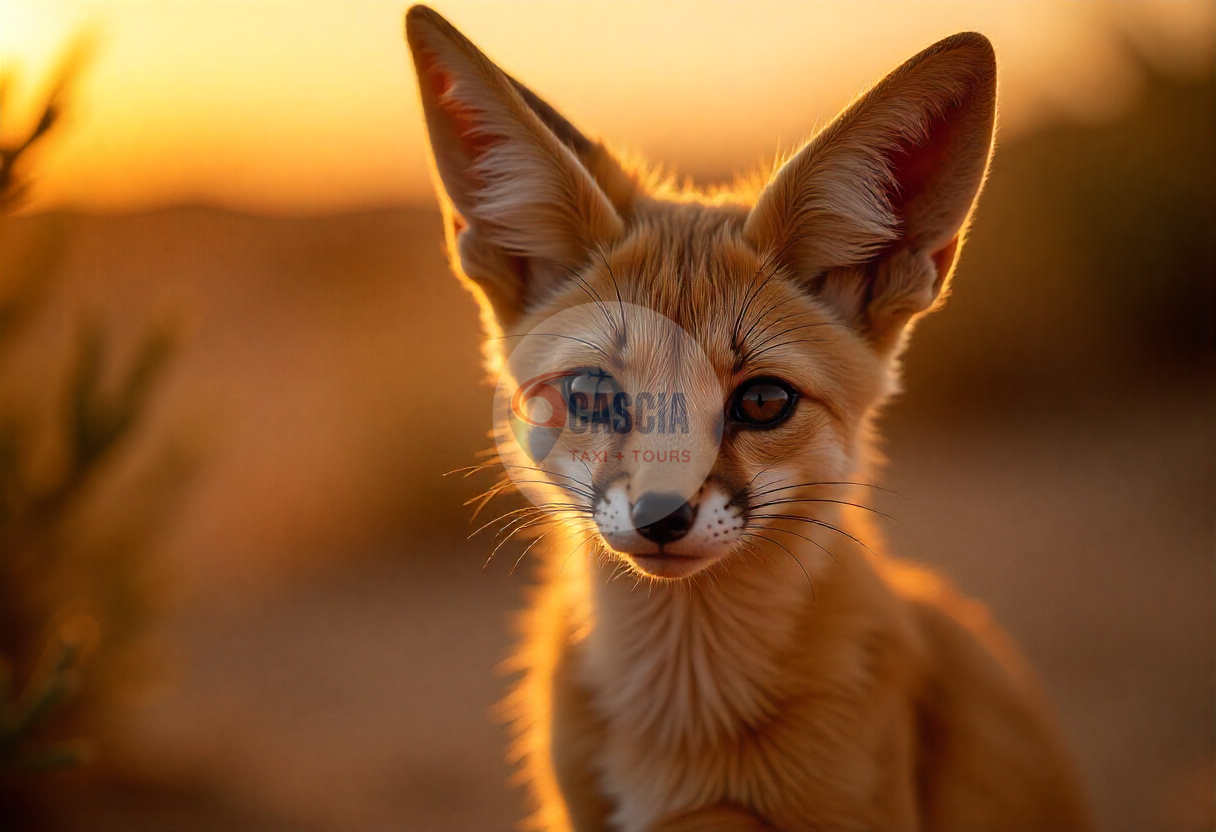
- Fennec Fox: The famous small fox with oversized ears, most active at dawn and dusk.
- Nubian Ibex: A majestic wild goat species often seen on rocky cliffs in Wadi El Gemal.
- Dorcas Gazelle: A graceful, small gazelle that thrives in the desert plains.
- Desert Reptiles: Look for Uromastyx lizards and various snake species (observe from a distance).
2. Remarkable Desert Plants
- Acacia Trees: Vital shade providers and food sources for wildlife.
- Mangroves: In coastal areas like Wadi El Gemal, these trees create critical nurseries for fish and birds.
- Despatches & Succulents: Plants that store water to survive extreme drought.
3. Birdwatching Hotspot
The Red Sea coast is a major flyway for migratory birds between Europe and Africa. Look for herons, ospreys, falcons, and many more, especially during migration seasons (spring and autumn).
Principles of Responsible Desert Exploration
- Stay on Designated Tracks: Off-roading damages plant life and causes erosion.
- Never Feed Wildlife: It disrupts their natural diet and behavior.
- Take All Trash Back: Leave no trace of your visit.
- Minimize Noise: It increases your chances of sightings and reduces stress on animals.
Cascia Taxi: Your Gateway to Sustainable Desert Discovery
We facilitate low-impact access to nature:
- Knowledgeable Drivers: We know the best times and ethical viewing spots.
- Support for Protected Areas: We promote visits to Wadi El Gemal National Park, where tourism supports conservation.
- Waste-Free Policy: We ensure no litter is left behind on our tours.
🐪 Experience the desert responsibly. Book your eco-conscious desert transfer with Cascia Taxi!
Best Times & Locations for Wildlife Viewing
- Early Morning & Late Afternoon: Animals are most active during cooler hours.
- Wadi El Gemal National Park: The premier protected area for guided wildlife watching.
- Quiet, Patient Observation: The key to unforgettable sightings.
FAQ
Q: Is it safe to go into the desert for wildlife watching?
A: Yes, with a reputable guide or tour. Never venture alone. Dehydration and getting lost are real risks.
Q: What camera gear is best for desert wildlife?
A: A zoom lens (200-400mm) is ideal. Protect your gear from fine sand with a protective bag.
Q: Can you arrange a dedicated birdwatching tour?
A: Absolutely! We can create a custom itinerary focusing on prime birding locations with a specialized guide.
Conclusion
The desert of Marsa Alam is a living testament to nature’s resilience. By exploring it respectfully, you contribute to its preservation and gain a profound appreciation for this unique corner of Egypt.

Comment (0)