

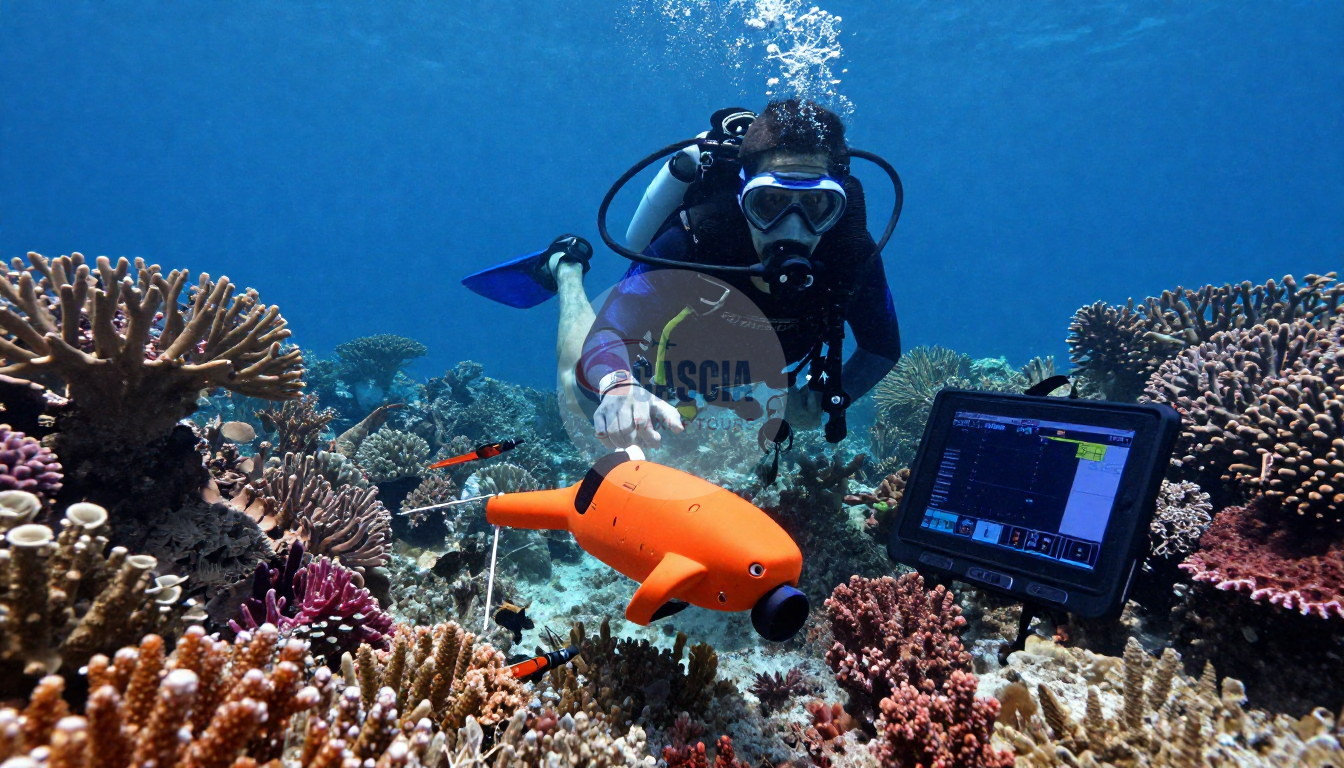
The future of diving has arrived in the Red Sea. Citizen science diving in Marsa Alam now allows you to combine the thrill of underwater exploration with genuine marine research. Using cutting-edge technology like AI-powered image recognition, underwater drones, and photogrammetry, everyday divers can help scientists monitor coral health, track fish populations, and document rare species. This 2026 guide reveals how you can participate in these tech-enhanced reef trips and make your holiday count—with Cascia Taxi providing smooth transfers to the launch points.
Why Citizen Science is Booming in Marsa Alam
The Red Sea‘s coral reefs are among the most resilient in the world, but they face pressures from climate change. Researchers from the Red Sea Research Center and KAUST have partnered with local dive centers to deploy low-cost monitoring tools that rely on volunteer divers. According to a UNESCO Ocean Literacy report, citizen science projects in marine protected areas have increased data collection by over 300% in the last three years. Marsa Alam‘s pristine, less-visited reefs offer an ideal laboratory.
What Tech Will You Use?
- AI Photo Identification: Snap a photo of a coral or fish; an onboard app compares it to a global database and tags the species automatically.
- Underwater Drones (ROVs): Some trips deploy small, pilotable ROVs that stream 4K video to a surface tablet, allowing non-divers to participate too.
- Photogrammetry Kits: With a simple camera and scale bar, you can capture 3D models of a reef patch—later stitched into a digital twin for scientists.
- eDNA Sampling: A new, non-invasive technique where you collect a water sample; lab analysis reveals every fish species present without catching or seeing them.
Popular Citizen Science Diving Itineraries
1. Coral Health Survey – Abu Dabbab Bay
- Duration: Half day (2 dives)
- Activity: Swim pre-set transects, take photos at marked intervals, log observations.
- Bonus: Spot turtles and dugongs while contributing to reef health data.
2. Reef Resilience Mapping – Elphinstone Reef
- Duration: Full day (3 dives, advanced)
- Activity: Use photogrammetry to create a 3D model of a specific pinnacle.
- Outcome: Data helps track recovery after bleaching events.
3. Microplastics & Water Quality – Marsa Mubarak
- Duration: 3–4 hours
- Activity: Tow a fine-mesh net behind a kayak or dinghy, collect surface samples for later analysis.
- Suitable for: non-divers, families, and snorkelers.
Who Can Join?
- Minimum certification: Open Water Diver (advanced for deeper sites)
- Tech requirement: Basic smartphone or action camera (rental gear available)
- Age: 12+ with parental consent, some projects welcome younger as surface support.
Most centers offer a short training session (30–60 minutes) on how to use the apps and equipment before the dive.
Environmental Impact
By participating in citizen science diving in Marsa Alam, you directly aid conservation. The data collected will be shared with the Egyptian Environmental Affairs Agency (EEAA) and used to adapt management plans for protected areas. Moreover, you help reduce the need for expensive research vessels and professional scientists—democratizing ocean science.
Why Choose Cascia Taxi for Your Citizen Science Trip
- Gear-Friendly Vehicles: Spacious trunks carry dive bags, camera rigs, and even folded ROVs.
- Early Morning Pickups: Most tech-dives start at dawn to capture best light. We‘ll get you there on time.
- Multi-Site Flexibility: Combine two different survey sites in one day without scrambling for transport.
- Eco-Conscious Riders: We support low-emission routes and can suggest carbon-offset options for your transfers.
🤿 Dive with purpose. Book your citizen science diving tour with Cascia Taxi.
Packing for a Tech Dive
- Underwater camera or GoPro (rentals available)
- Waterproof smartphone case (for the identification app)
- Reusable water bottle
- Reef-safe sunscreen
- Logbook and certification card
Frequently Asked Questions
Q: Do I need to be a marine biologist?
A: Not at all. The apps guide you step by step. A one‑hour orientation covers everything.
Q: Can I get a certificate or mention in a scientific paper?
A: Yes! Many projects provide a participation certificate, and your name may appear in the acknowledgments of published research.
Q: Is the data really used?
A: Absolutely. Projects in Marsa Alam have already contributed to peer‑reviewed studies on coral bleaching and fish diversity.
Conclusion
Citizen science diving in Marsa Alam turns your holiday into a mission. With advanced yet accessible tech, you‘ll come home with more than memories—you‘ll have helped protect the very reefs you loved exploring. Let Cascia Taxi handle the logistics while you focus on being a real‑time underwater hero.

Comment (0)