

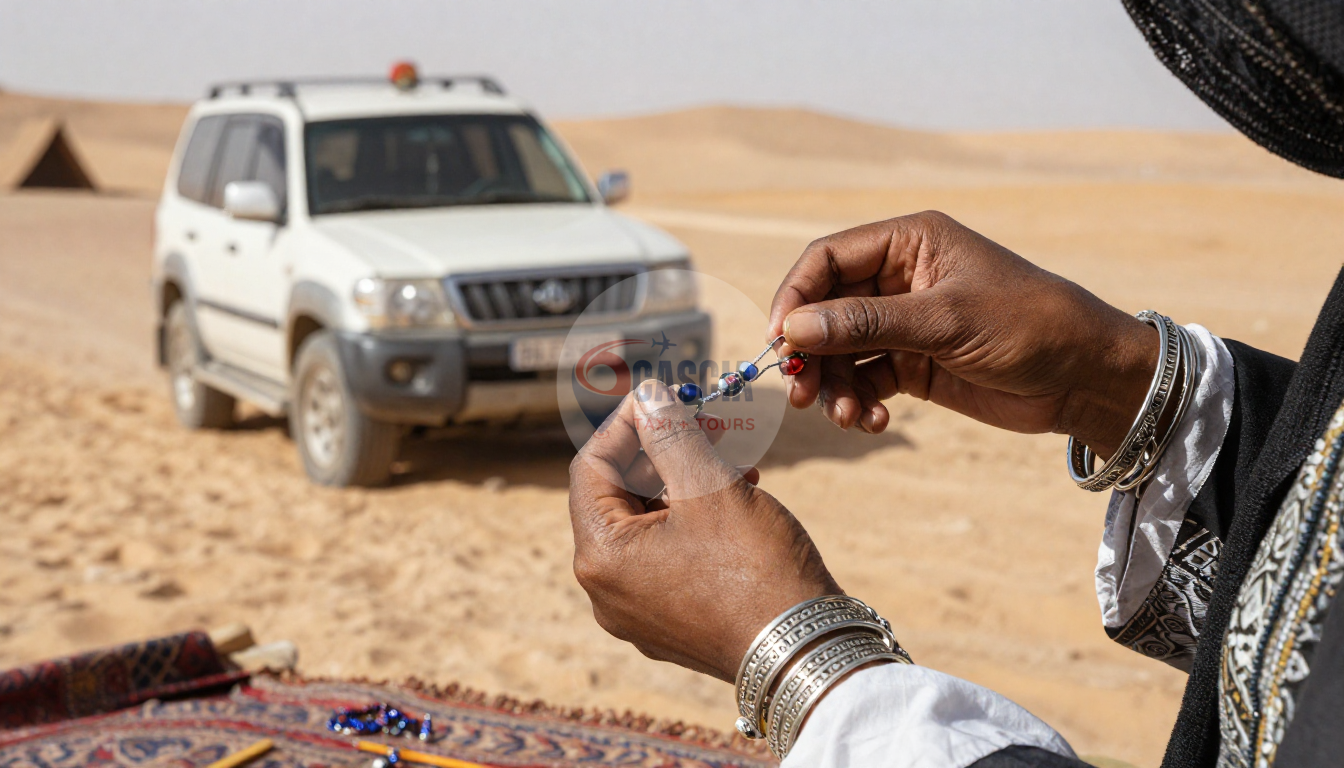
The Red Sea coast is renowned for its pristine beaches and vibrant coral reefs, but there is another treasure hidden in the desert hinterland: the rich cultural heritage of the Bedouin tribes. For travelers seeking more than sun and sand, exploring Bedouin arts and crafts in Marsa Alam offers a profound connection to Egypt’s nomadic soul. From intricate silver jewelry passed down through generations to hand-tanned leather goods and vibrant textiles, each piece tells a story of resilience, nature, and community. This 2026 guide will lead you through the fascinating world of Bedouin craftsmanship and show you how to experience it authentically, with Cascia Taxi providing reliable transport to the heart of this cultural journey.
The Bedouin of Marsa Alam: Keepers of Ancient Traditions
The Eastern Desert surrounding Marsa Alam is home to two primary Bedouin tribes: the Ababda in the north and the Bishari (Bedscha) in the south. The Ababda, in particular, have inhabited this region for centuries, living as shepherds and camel breeders, in harmony with the harsh but beautiful desert landscape.
According to the Egyptian Ministry of Tourism and Antiquities, Bedouin communities are not just historical relics; they are living cultures that continue to practice their ancestral crafts, music, dance, and culinary arts. A visit to a Bedouin settlement is a step back in time, where the pace of life is dictated by the sun and the seasons, not by clocks and calendars.
The Soul of Bedouin Art: Handicrafts of the Desert
1. Bedouin Silver Jewelry: Stories in Silver
Perhaps the most celebrated of all Bedouin crafts is silver jewelry. Unlike the gold favored in urban centers, Bedouin women have traditionally worn heavy silver adornments, which served both as personal ornamentation and as a form of portable wealth.
- Designs & Symbols: Bedouin silver jewelry is characterized by bold, geometric patterns, often incorporating turquoise, coral, and agate stones. Each motif carries symbolic meaning—protection from the evil eye, fertility, or tribal identity.
- Craftsmanship: The jewelry is typically handcrafted using traditional techniques like granulation and filigree. The Rashaida tribes, who also inhabit the Red Sea coastline, produce a distinctive style that blends Bedouin and Sudanese influences.
- Where to find it: Local markets in Marsa Alam and Port Ghalib offer a range of silver jewelry. For a truly authentic piece, seek out artisans in the smaller villages or purchase directly from Bedouin women who sell their wares at weekly markets.
2. Leatherwork: From the Desert to Your Hands
Leather crafting is another ancient Bedouin skill, born from necessity. Animal hides were traditionally used to make water bags, saddles, and storage pouches. Today, this tradition continues, with artisans producing beautiful, functional items.
- Traditional Methods: Artisans from the Ababda tribe in southern Marsa Alam use a traditional, eco-friendly tanning process that employs natural herbs and mountain plants.
- Modern Products: While traditional items are still made, you can also find contemporary goods like wallets, belts, and bags, all handcrafted with the same meticulous care.
- The Qulaan Village Women: In the small village of Qulaan, located within a unique mangrove forest, women produce distinctive leather and beadwork, creating special medallions called “shalouk,” as well as bracelets and necklaces. Their products are sold to tourists visiting the area.
3. Weaving & Textiles: Threads of Tradition
Bedouin women are the weavers of the desert. Using simple, vertical looms, they create intricate textiles from wool and goat hair.
- Materials & Methods: The wool is often spun by hand and dyed using natural pigments derived from plants and minerals. The resulting fabrics are used for tents, rugs, saddlebags, and clothing.
- Cultural Significance: The patterns woven into Bedouin textiles are not just decorative; they often encode information about the weaver’s tribe, family, and social status.
4. Other Traditional Crafts: A World of Skill
- Pumpkin Carving (Gourd Art): Artisans, particularly in the Shalateen area, are skilled in the art of forming and decorating dried pumpkins (gourds). These are used as containers for ghee, kohl, and perfumes.
- Stone Carving: The region’s diverse geology, with its basalt and granite, has given rise to a tradition of stone carving. Artists create everything from simple household items to sculptures of local wildlife.
Where to Experience Bedouin Arts & Crafts in Marsa Alam
1. Local Markets & Souks
The most accessible way to discover Bedouin arts and crafts in Marsa Alam is by visiting the local markets. The Marsa Alam City Shopping Trip offers a guided exploration of bustling souks where you can find handwoven carpets, Bedouin jewelry, and leather goods. The vibrant atmosphere is perfect for practicing your bargaining skills and interacting with friendly local vendors.
2. Qulaan Village: A Living Craft Hub
Nestled within a unique mangrove forest, the tiny village of Qulaan is home to approximately 20 Ababda families. The women here are renowned for their leather and beadwork. The village has a small camp designed as a permanent exhibition for the ladies to sell their handicrafts to tourists, making it an ideal stop for an authentic cultural experience.
3. The First Bashary Tribe Museum
For a deeper historical perspective, consider a trip to Shalateen, south of Marsa Alam. Here, the artist Aboul Hassan al-Dakrouny has established a museum dedicated to the heritage of the Bashary tribe. The museum collects and documents leather handicrafts, art paintings, Bedouin costumes, and women’s accessories, offering a comprehensive look at the tribe’s history. The museum is a popular day-trip destination for tourists staying in hotels in south Marsa Alam.
4. Bedouin Village Experiences
Several tour operators offer visits to traditional Bedouin villages. These experiences often include baking traditional bread, brewing coffee, learning basic weaving techniques, and enjoying a flavorful meal. You can also watch demonstrations of handicrafts and purchase souvenirs directly from the artisans.
The Role of Cascia Taxi in Your Cultural Journey
Reaching these authentic cultural sites often requires travel beyond the main resort areas. Many of the villages and workshops are located off the beaten path and are not accessible by public transport. This is where Cascia Taxi becomes your essential partner.
- Reliable & Comfortable Transport: Our modern, air-conditioned vehicles provide a comfortable journey into the desert.
- Local Knowledge: Our drivers have intimate knowledge of the region and can guide you to the best spots for authentic crafts.
- Flexible Itineraries: Whether you want to visit the Qulaan Village, the Shalateen museum, or a local market, we can create a custom itinerary that fits your interests.
- Stress-Free Exploration: You can focus on the culture, not the navigation.
🎨 Experience the living heritage of the desert. Book your cultural journey transfer with Cascia Taxi.
Tips for an Authentic Cultural Experience
- Respect Local Customs: When visiting a Bedouin village, dress modestly and ask for permission before taking photographs of people.
- Learn a Few Words: Simple Arabic greetings like “Salam Alaikum” (peace be upon you) are always appreciated.
- Bargain Fairly: Bargaining is expected in markets, but remember that you are buying from artisans who rely on this income. A fair price is one that makes both parties happy.
- Support the Community: By purchasing directly from artisans, you are supporting the preservation of these ancient crafts and the local economy.
- Ask Questions: Bedouin people are proud of their heritage and are often happy to share the stories behind their crafts.
Sample Itinerary: A Day of Bedouin Arts & Crafts
- 08:00 – Pickup from your hotel by Cascia Taxi.
- 09:00 – Arrival at Qulaan Village, meet local artisans and browse their leather and beadwork.
- 11:00 – Drive to a local market in Marsa Alam for silver jewelry and textiles.
- 13:00 – Lunch at a traditional Egyptian café.
- 14:30 – (Optional) Drive towards Shalateen to visit the Bashary Tribe Museum.
- 17:00 – Return transfer to your hotel.
Frequently Asked Questions (2026)
Q: What is the most authentic Bedouin craft to buy in Marsa Alam?
A: Bedouin silver jewelry is the most iconic and sought-after craft. For a truly unique souvenir, look for pieces from the Rashaida tribe or the hand-tanned leather goods from the Ababda women in Qulaan Village.
Q: Are Bedouin crafts expensive?
A: Prices vary widely. Simple bead bracelets can be very affordable, while intricate silver jewelry can be a significant investment. Bargaining is expected and part of the experience.
Q: Can I watch artisans at work?
A: Yes. Many Bedouin village experiences include demonstrations of weaving, bread-making, or other traditional crafts. In Qulaan Village, you can see the women working on their leather and bead crafts.
Q: Is it safe to travel to the Bedouin villages?
A: Yes, visiting Bedouin villages in the Marsa Alam area is a common and safe tourist activity. It is always best to go with a reputable guide or a trusted transport service like Cascia Taxi.
Conclusion
Bedouin arts and crafts in Marsa Alam offer a window into a world that has remained remarkably unchanged for centuries. The silver jewelry, leather goods, and textiles are not just souvenirs; they are tangible connections to the history, resilience, and artistry of Egypt’s nomadic people. By venturing beyond the beach and into the desert, you will discover a cultural richness that will stay with you long after your tan fades. Let Cascia Taxi be your guide to this unforgettable journey.
🚗 Book your cultural transfer today and discover the artisan heart of Marsa Alam!

Comment (0)